Learn About Key Arboriculture Techniques for Maximum Tree Health
Knowing how to care for trees is vital for ensuring ecological wellness. Important techniques including mulching and trimming play significant roles in enhancing tree health. Furthermore, the right way to water are crucial for developing strong roots. However, most people miss the signs of tree diseases and the value of professional arborists. Exploring these aspects can result in a better understanding for arboriculture and trees. What steps can one take to make sure their trees flourish?
The Significance of Tree Well-being
Understanding the importance of tree health is critical, as trees play a significant role in preserving the ecosystem's equilibrium and making urban areas better. Vibrant trees help improve the quality of the air, give shelter, and sustain animal homes. Trees also assist in reducing climate change by absorbing CO2, which makes them vital for environmental sustainability.
Within metropolitan areas, properly cared-for read about this trees improve aesthetics, boost real estate worth, and support public welfare. Their presence can reduce city heating in cities, which saves money on energy.
Neglecting tree health, conversely, can lead to illness, insect problems, and structural instability, presenting hazards to both the trees and surrounding infrastructure. Consequently, identifying signs of a healthy tree, like the color of the leaves, how the tree is growing, and the state of the bark, is critical for proper care. In the end, fostering healthy trees benefits not just private yards but the entire environment as well, emphasizing the need for preventative maintenance and maintenance techniques.
Vital Trimming Practices
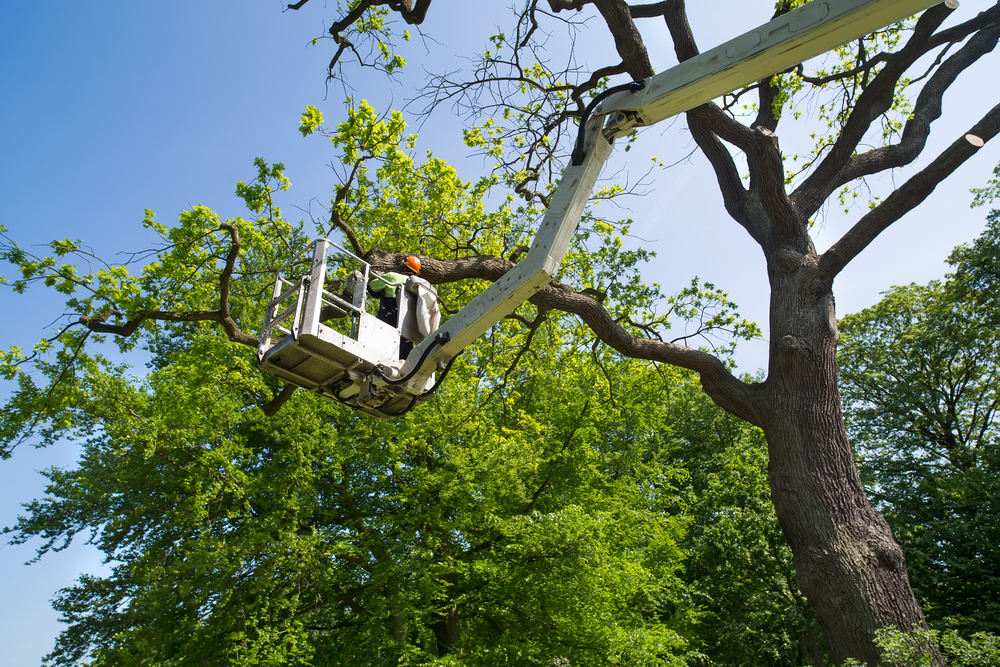
Cutting branches is a vital method in tree care that guarantees ideal growth and health, as it gets rid of sick or dead limbs and enhances air flow within the canopy. Applying correct practices ensures the trees can flourish where they are planted.
A key method is "thinning," which means taking off certain branches to enhance light penetration and reduce weight on weaker limbs. 'Heading back' are another method, where the ends of branches are snipped to stimulate lateral branching, mainly in juvenile trees. In addition, the 'crown reduction' method reduces the height and spread of a tree but keeps its characteristic silhouette.
When to prune is key; cutting during the inactive period minimizes stress and ensures faster recovery. Pruning implements must be sharp and sterile to prevent injury and disease transmission. Knowing these essential trimming methods is necessary for all tree specialists focused on preserving healthy and beautiful trees.
Spotting Frequent Tree Illnesses
How can tree owners recognize the indicators of typical illnesses that threaten their trees? Familiarity with key indicators is essential for early detection and action. Typical signs involve leaves that are yellowing or drooping, which may suggest fungal infections or a lack of necessary nutrients. Unusual growths, like cankers or galls, can signal the presence of pests or pathogens that compromise tree health. Furthermore, peeling bark or oozing sap might suggest an infection that demand quick action.
Tree owners should also observe alterations in the tree's form, such as branches dying or leaves falling, which could signify a more severe underlying issue. Monitoring for signs of insect infestations, for instance, sawdust or bark holes, is equally important. Through vigilance and promptness, they can recognize these typical illnesses and seek appropriate remedies, ensuring their trees remain healthy and vibrant all year long.
How Mulching Helps Trees
Mulching is a key technique in tree care, providing many advantages which encourage strong development and durability. This technique requires placing a covering of organic or inorganic material at the tree's base, helping to keep the soil damp, preventing weed growth, and stabilizing soil warmth. This insulating layer does more than minimize competition from invasive plants but also boosts the visual appeal of the yard.
Moreover, organic mulches, for example, bark or chips, decompose over time, enriching the soil with crucial nutrients and enhancing the soil's composition. This continuous action aids in root growth and fosters a healthier environment for the growing tree. Additionally, mulching can prevent the erosion of soil, which helps maintain the stability of the tree’s root system. When applied correctly mulch should be spread in a circular pattern, avoiding direct contact with the trunk to stop decay. Overall, incorporating mulching into tree care routines significantly aids to the lasting vitality of trees.
Proper Watering Practices for Trees
Quality tree upkeep needs not only mulching but also proper watering practices to promote the best growth and health. Trees, particularly newly planted ones, need consistent moisture to develop robust root structures. Deep watering is essential, as it helps roots push deeper where moisture is steadier. Preferably, trees need roughly one inch of water per week, whether through rainfall or supplemental irrigation.
It is best to water during the early morning hours to reduce evaporation and disease caused by fungi. One must be careful not to overwatering, which may result in root rot and related complications. One must check the soil for moisture before watering; if the top two inches are dry, then watering is necessary. Furthermore, utilizing drip irrigation or drip irrigation offers a slow, constant flow of water, guaranteeing trees are sufficiently hydrated without the danger of water runoff. Correct watering methods are essential contributors to the total vitality of trees.
Retaining Specialized Tree Care: Reasons and Necessity
When assessing the condition and aesthetics of a property, retaining specialized arborists can be crucial for homeowners facing complex tree care needs. Professional arborists possess the expertise to determine tree vitality, spot illnesses, and execute beneficial procedures. They also understand local regulations for removing trees and maintenance, making sure they comply and sidestepping fines
(Stillwater Tree Service)Homeowners should consider hiring professionals when dealing with big trees, especially those close to buildings or power lines, as improper handling can pose safety risks. Additionally, trees requiring pruning for aesthetic or health reasons benefit from the skills of trained specialists who can make accurate cuts to promote growth
Seasonal tasks, such as preparing for storms and debris cleanup, also require expert help to keep the property safe and appearance. Finally, hiring certified arborists makes certain trees get the best attention, thereby enhancing the entire outdoor space and property value
FAQs
How Can I Tell if My Tree Is Receiving Too Much Water?
Overwatering often leads to chlorotic leaves, drooping even when the ground is wet, root rot, and significant defoliation. Furthermore, the development of mold or fungus at the tree's base often suggests slow soil percolation and waterlogged conditions.
When Should I Schedule for Tree Pruning?
The best time for tree pruning is typically late winter to early spring prior to bud break - Stillwater Tree Service. Scheduling the work then supports robust regeneration and reduces the tree's strain, enabling rapid wound closure and development
Is It Possible for Trees to Survive Major Storm Damage?

Yes, trees can recover from severe storm damage. With proper care, including the removal of injured parts and ensuring sufficient hydration and feeding, most trees will recover their vitality and flourish once more despite enduring major trauma.
How Do I Choose the Right Mulch for My Trees?
When selecting appropriate mulch, it is best to use organic options like wood chips or bark, ensure a layer 2 to 4 inches deep, and keep mulch away from the tree collar to safeguard against rot.
Do Certain Tree Species Need More Attention Than Others?
Certain trees, such as fruit trees and newly planted specimens, need extra maintenance owing to their vulnerability to weather fluctuations and unique feeding requirements. Consistent observation and customized care routines are essential for their health and development.